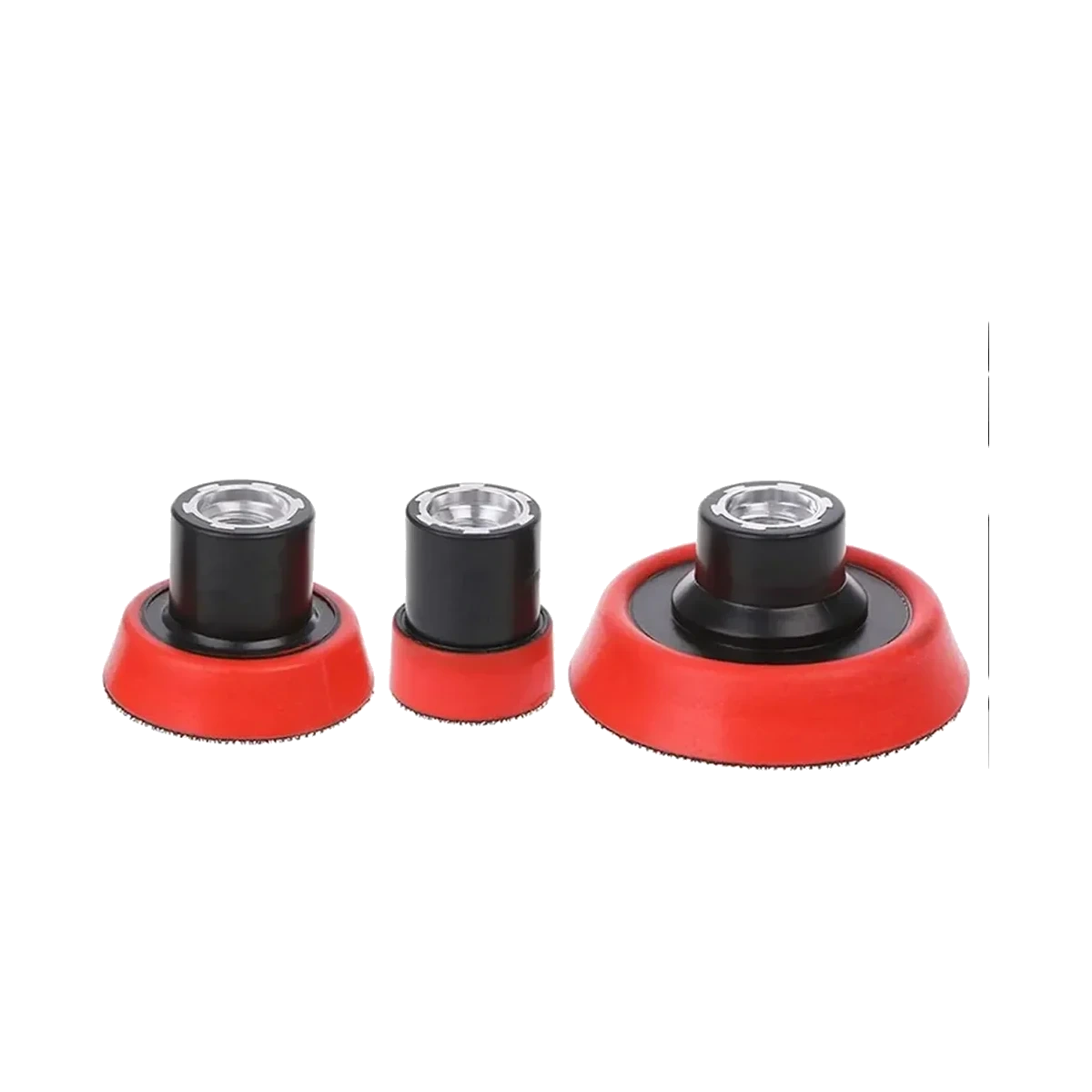
 Backing plates
Rotary Backing Plate
Confirm the exact item type and supplied contents. Request documented dimensions, attachment details, approved machine pairing and use limits before ordering.

A backing plate must match both the machine-side mounting and the pad or abrasive attachment specified for the exact tool. Select by the documented combination, not diameter alone. Send FineBuff the product URL and machine details for a model-specific enquiry.
Backing plates
Confirm the exact item type and supplied contents. Request documented dimensions, attachment details, approved machine pairing and use limits before ordering.
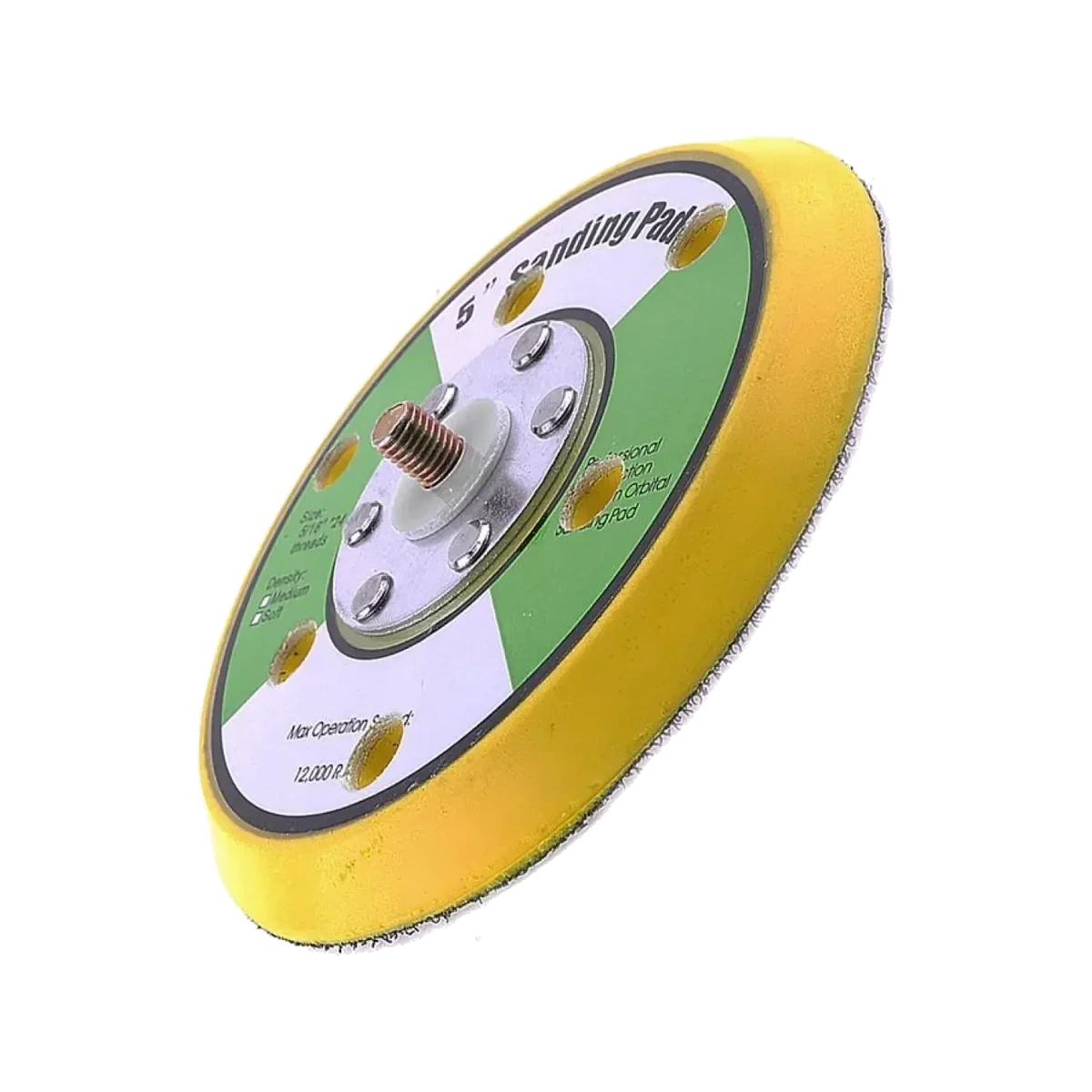 Backing plates
Confirm the exact item type and supplied contents. Request documented dimensions, attachment details, approved machine pairing and use limits before ordering.
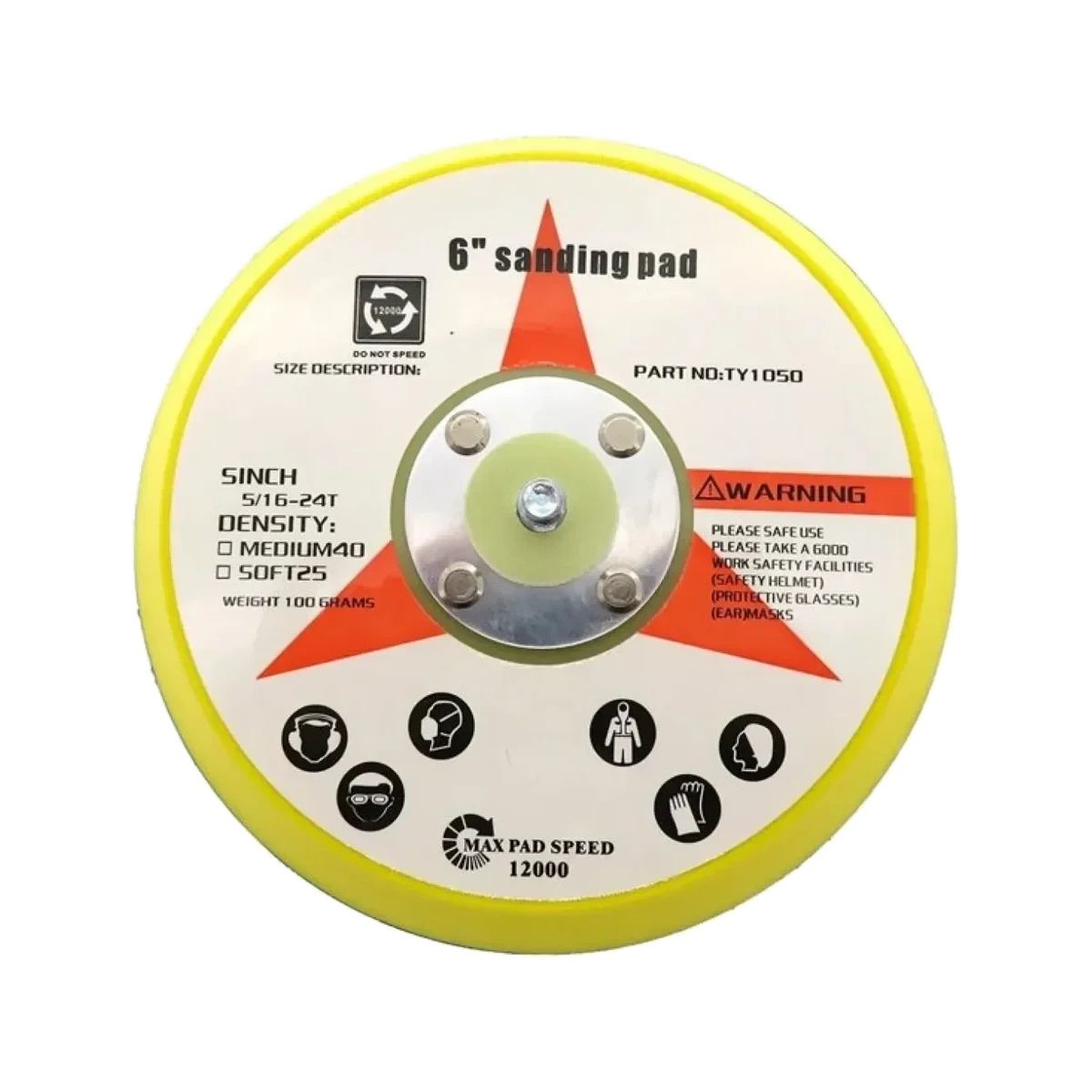 Backing plates
Confirm the exact item type and supplied contents. Request documented dimensions, attachment details, approved machine pairing and use limits before ordering.
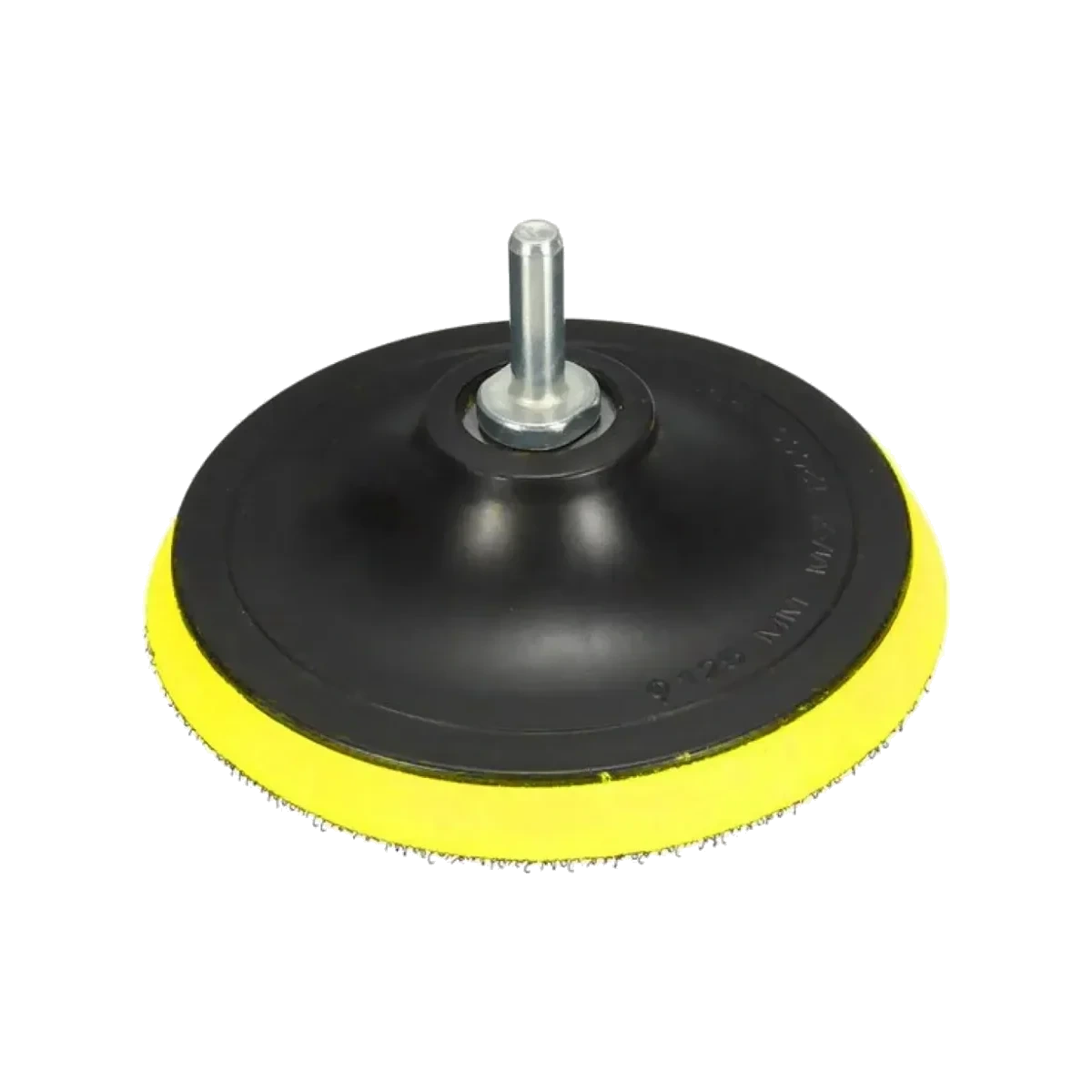 Backing plates
Confirm the exact item type and supplied contents. Request documented dimensions, attachment details, approved machine pairing and use limits before ordering.
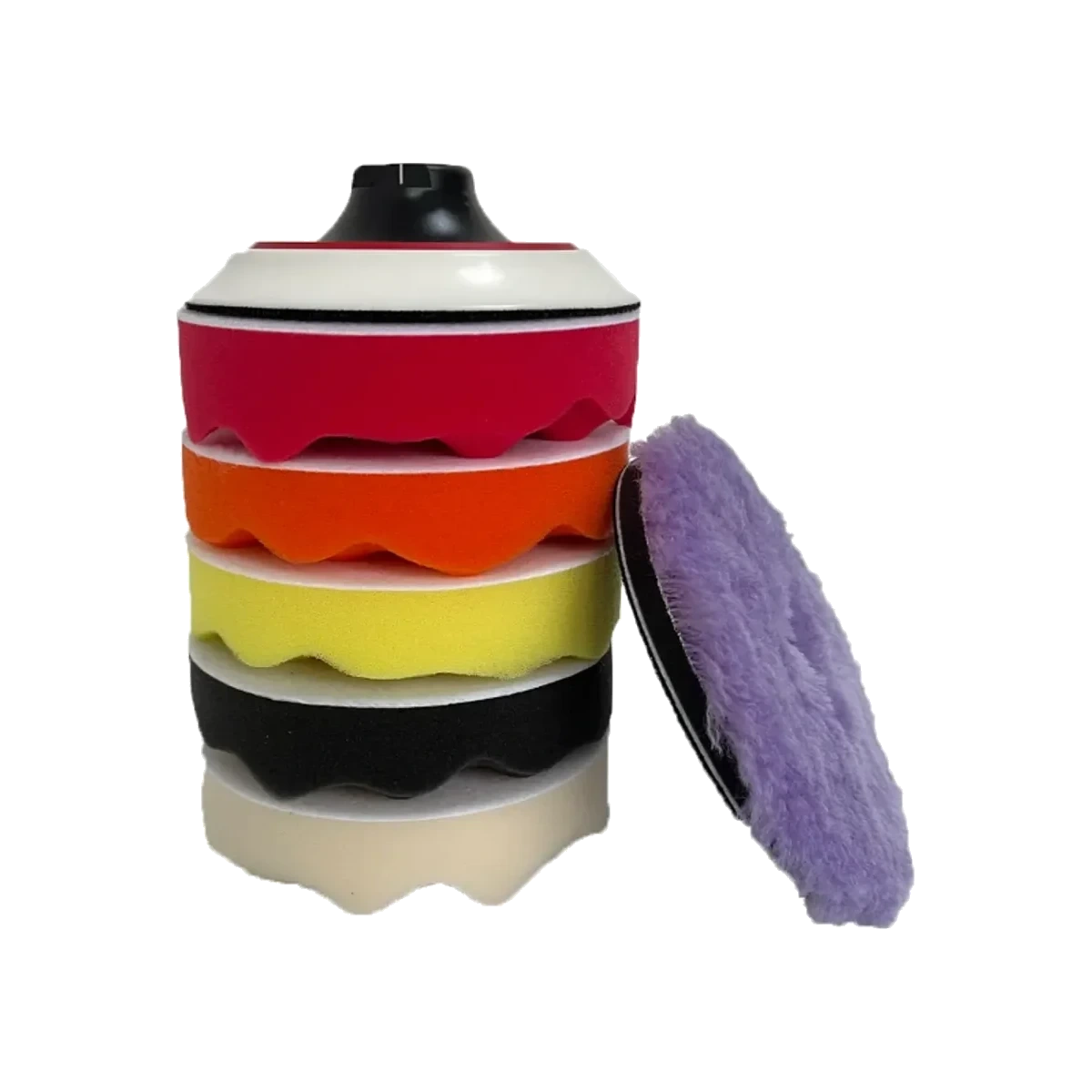 Backing plates
Confirm the exact item type and supplied contents. Request documented dimensions, attachment details, approved machine pairing and use limits before ordering.
This catalogue groups backing-related enquiries. A listing may describe a plate, an adapter, a mixed set, or another polishing or sanding accessory. Its category placement is not confirmation of the physical item type, material, included parts or machine compatibility. Request the exact product reference and packing list before comparing offers.
| Interface or dimension | What to establish |
|---|---|
| Machine-side mounting | Identify the exact machine and the plate’s mounting system. If threaded, confirm the complete thread designation, pitch, internal or external form, direction and required seating arrangement from the approved drawing or instructions. Do not infer these details from a photograph. |
| Pad- or abrasive-side attachment | Confirm how the intended pad or abrasive attaches and the approved attachment area. Hook-and-loop, adhesive or another method must be verified for the selected item; the category does not establish the fixing method. |
| Working and rear dimensions | Record the plate support-face diameter, attachment area, rear profile, thickness and mounting details separately from the pad or abrasive working-face diameter. Check the support and overhang arrangement specified for the exact combination. |
| Clearance and construction features | Confirm clearance to the machine, shroud and nearby parts, plus any holes, recesses, interfaces or other features needed by that model. For sanding, check the documented extraction arrangement where relevant. |
A part that screws on, a pad that sticks to its face or an equal nominal diameter does not prove approval for use. An adapter changes the assembly; it does not automatically approve the fit, clearance or operating limits.
Check the exact tool in the dual-action polisher, rotary polisher or sander range. Free-spinning orbital, forced-rotation, direct rotary and sanding applications are not interchangeable accessory approvals. A cordless power source does not identify the motion.
Use the plate, machine and consumable references specified together in the applicable instructions. Confirm the allowed plate arrangement and relevant operating limits for that assembly; do not convert orbital movement ratings into rotary RPM or adopt another model’s rating. A smaller plate is not automatically an approved upgrade.
When choosing polishing pads, check their attachment, support and intended role with the selected plate. An abrasive disc intended for sanding is a different consumable from a polishing pad. Neither appearance nor a shared nominal size establishes that the same plate can serve both processes.
Stop the tool and isolate its power source as directed by its instructions before fitting, adjusting or inspecting the assembly. Follow the exact mounting sequence, specified fasteners, tightening method and checks for that model. Do not improvise an adapter or fit a replacement whose approval is unknown.
Inspect the plate, mounting, attachment face and consumable before use. Do not use parts with cracks, deformation, separation, worn attachment material or other damage. Stop if the consumable loosens or the assembly develops abnormal vibration, wobble, contact or noise; isolate the tool and investigate according to its instructions before further use. Cleaning, replacement and any repair decision also need the relevant product instructions.
Provide the product URL, exact machine model and drive mechanism, intended polishing or sanding task, existing plate reference, required interfaces, dimensions, destination market and estimated order quantity. State whether you need a plate alone, an adapter, a mixed kit or a machine-and-accessory package; include a photograph or drawing of the existing interface as supporting information, not proof of compatibility.
For an OEM or private-label project, add logo, label and packaging requirements. Materials, configuration, approved fit, sample availability, MOQ, price, lead-time starting conditions and after-sales terms remain subject to project-specific written confirmation. Review the sample against the proposed machine and consumable combination, with any deviations resolved before approval.
Use downloads and document enquiries to request the current specification, dimension drawing, machine-side mounting definition, consumable-side fixing, approved combinations, operating limits, installation and inspection instructions and packing list. Record the document revision and what remains unconfirmed.
Discuss destination requirements through quality and documentation enquiries. Do not assume that a standalone backing plate needs the same CE, electrical, EMC or battery documents as a powered tool. For a powered kit or another applicable requirement, confirm the exact product, configuration, destination and responsible compliance party. A generic certificate does not establish coverage.
Request a Backing Plate Specification and Quote
It is the support component between a machine’s mounting and the intended pad or abrasive attachment. Its exact construction, mounting and approved use must be checked for the selected item; not every item in this catalogue is necessarily a standalone plate.
No. Confirm the machine-side mounting, working and rear dimensions, pad attachment, clearance, drive mechanism and operating limits. Physical fit or matching nominal diameter alone does not establish approval.
For a threaded system, request the complete approved designation, pitch, internal or external form, direction and seating requirements for both machine and plate. Do not guess from a photo or another tool’s specification.
No. Confirm the consumable-side fixing method, attachment area and approved pad or abrasive for the exact plate. Do not treat a category label, textured appearance or photograph as proof of the attachment system.
Only if the exact assembly is explicitly approved for that machine and task. Orbital, forced-rotation, rotary and sanding systems can have different mounting, clearance, support and rating requirements. Do not transfer approval between them.
No. An adapter changes mounting and clearance and may affect the assembly’s operating conditions. Use only a documented approved combination; being able to connect the parts is not approval.
Follow the model-specific inspection and replacement instructions. Stop for damage, worn attachment, loosening, unusual vibration, wobble, contact or noise, isolate the power source and investigate before further use. Do not improvise repairs.
Send the exact item and machine references, drive mechanism, task, interfaces, dimensions, intended consumable, destination, quantity and required kit contents. Request the current specification, instructions and a sample review; MOQ, branding, price, schedule and support need written project-specific confirmation.
Last Updated: