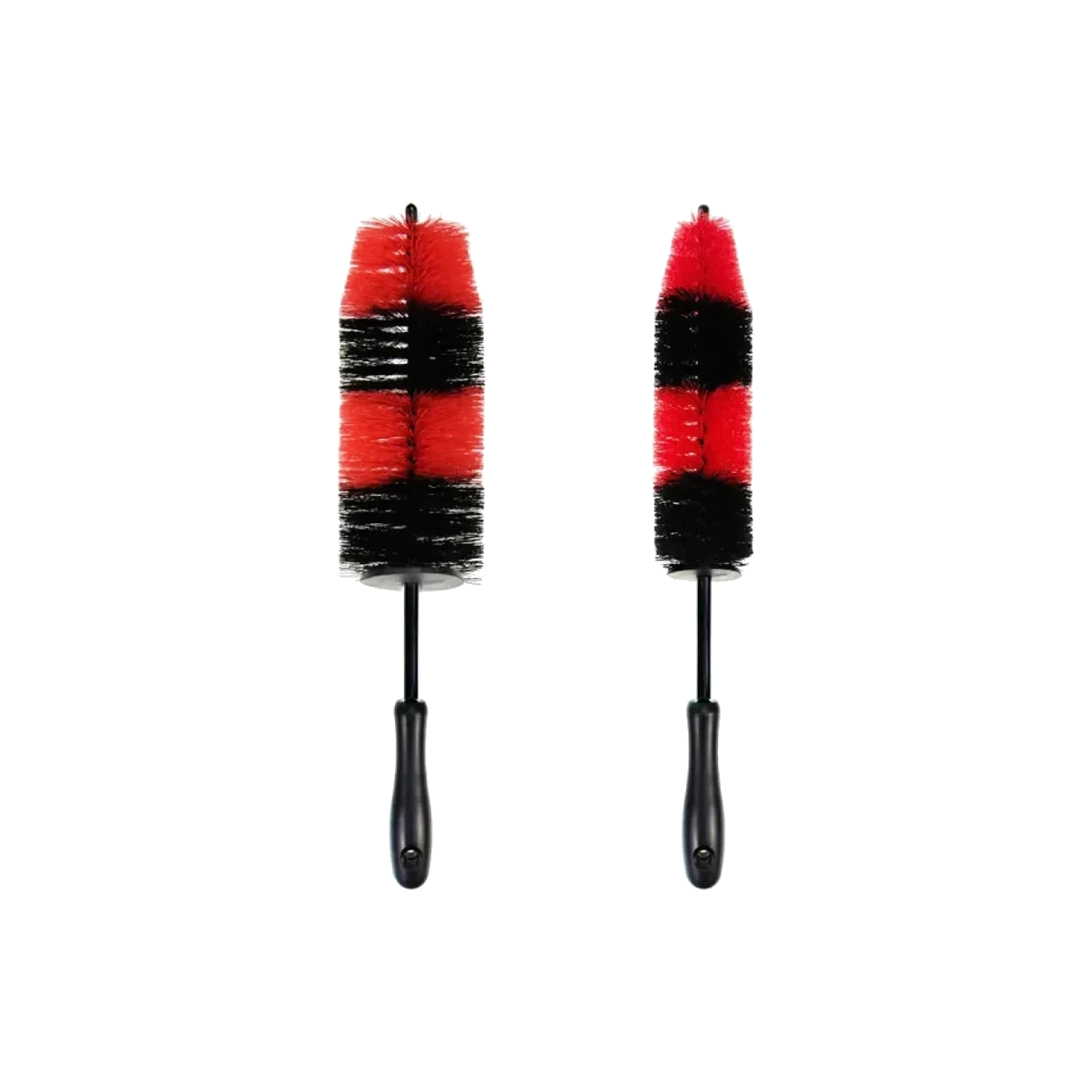
 Detailing brushes
Wheel Detailing Brush
Confirm the exact item, brush and handle construction, intended surfaces, care instructions and supplied contents before ordering. A category listing does not establish these specifications.

Choose a detailing brush by the exact surface, contamination and approved cleaning method. Confirm the selected item’s construction and use limits, then check a small inconspicuous area before wider use. Send FineBuff the product URL and your requirements for a wholesale or OEM enquiry.
Detailing brushes
Confirm the exact item, brush and handle construction, intended surfaces, care instructions and supplied contents before ordering. A category listing does not establish these specifications.
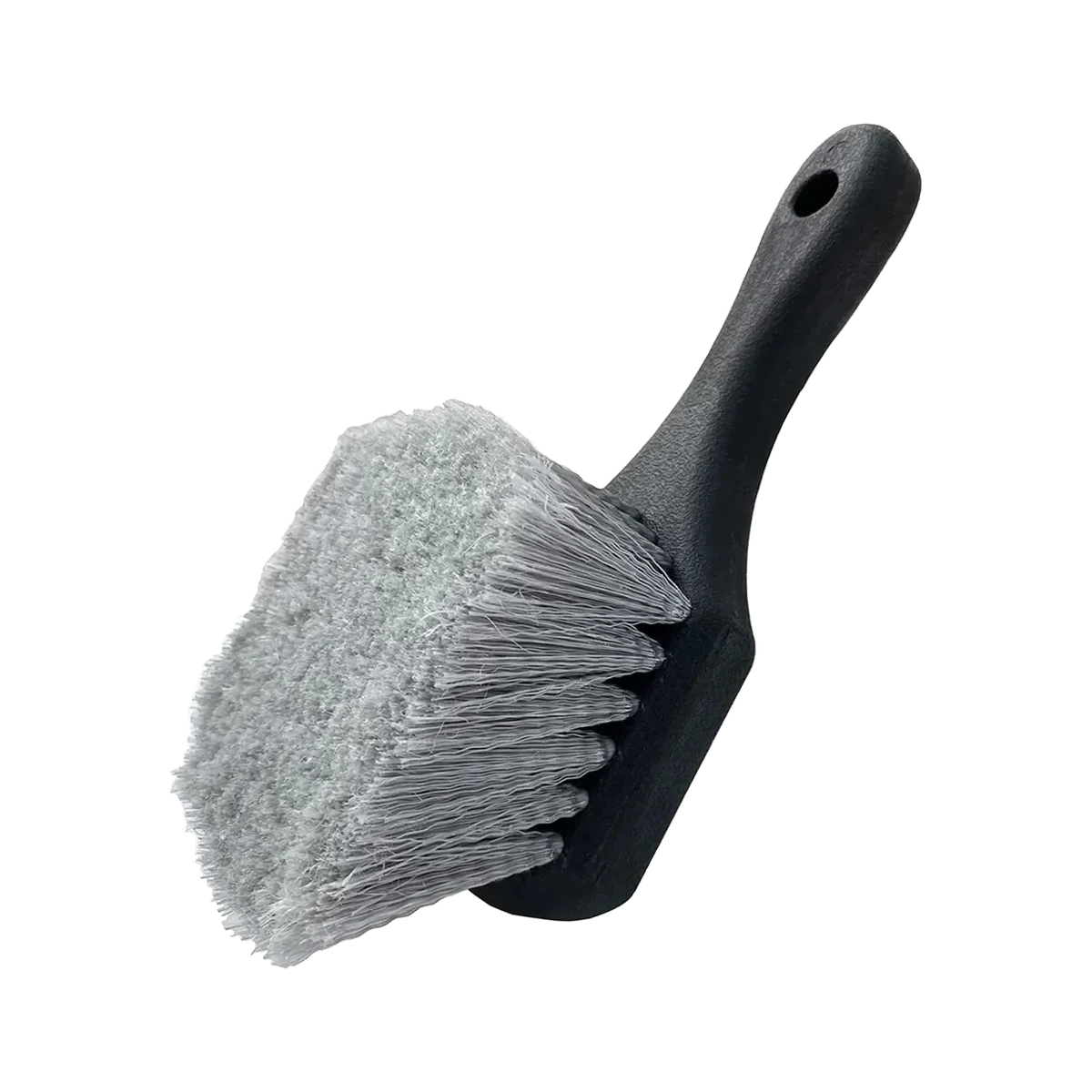 Detailing brushes
Confirm the exact item, brush and handle construction, intended surfaces, care instructions and supplied contents before ordering. A category listing does not establish these specifications.
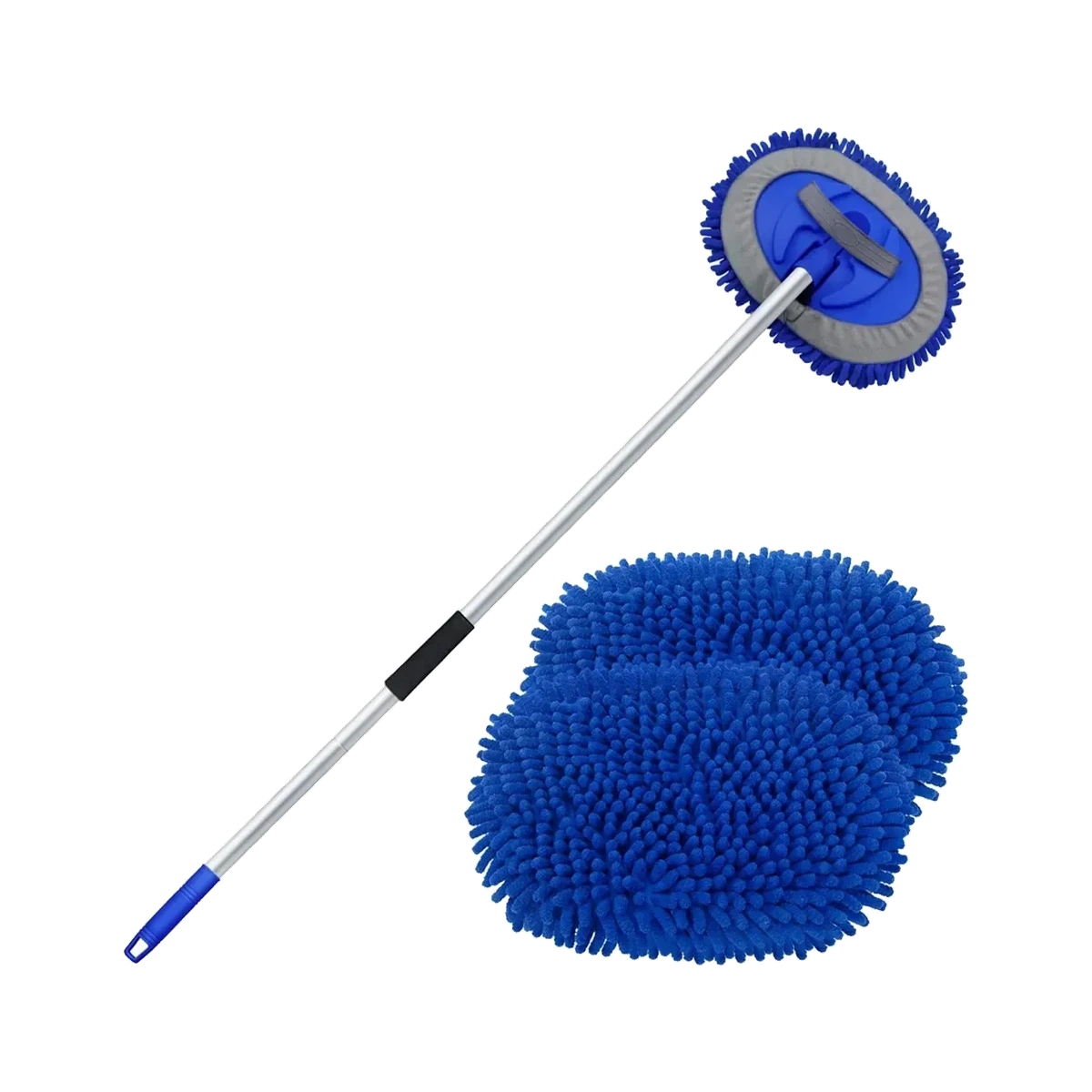 Detailing brushes
Confirm the exact item, brush and handle construction, intended surfaces, care instructions and supplied contents before ordering. A category listing does not establish these specifications.
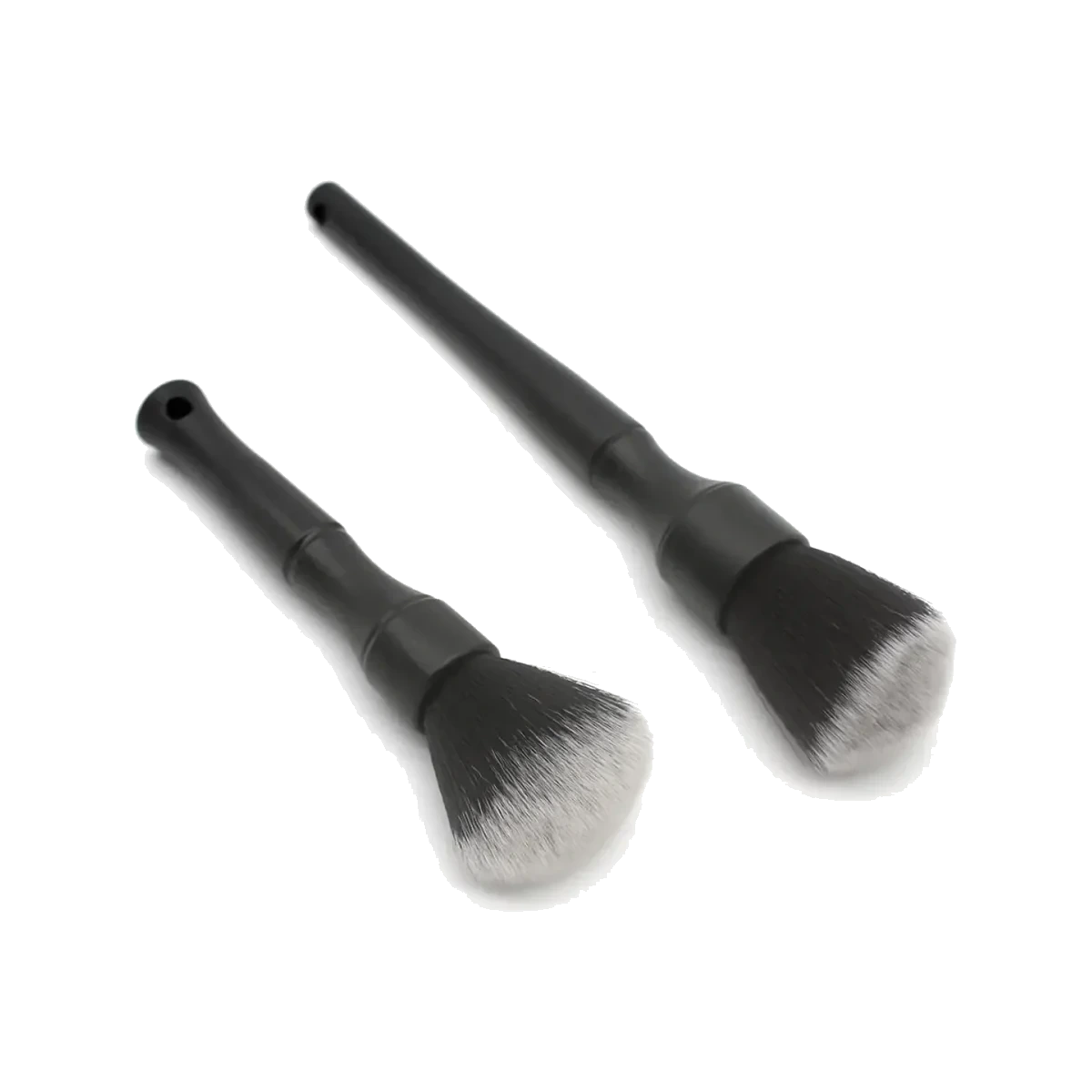 Detailing brushes
Confirm the exact item, brush and handle construction, intended surfaces, care instructions and supplied contents before ordering. A category listing does not establish these specifications.
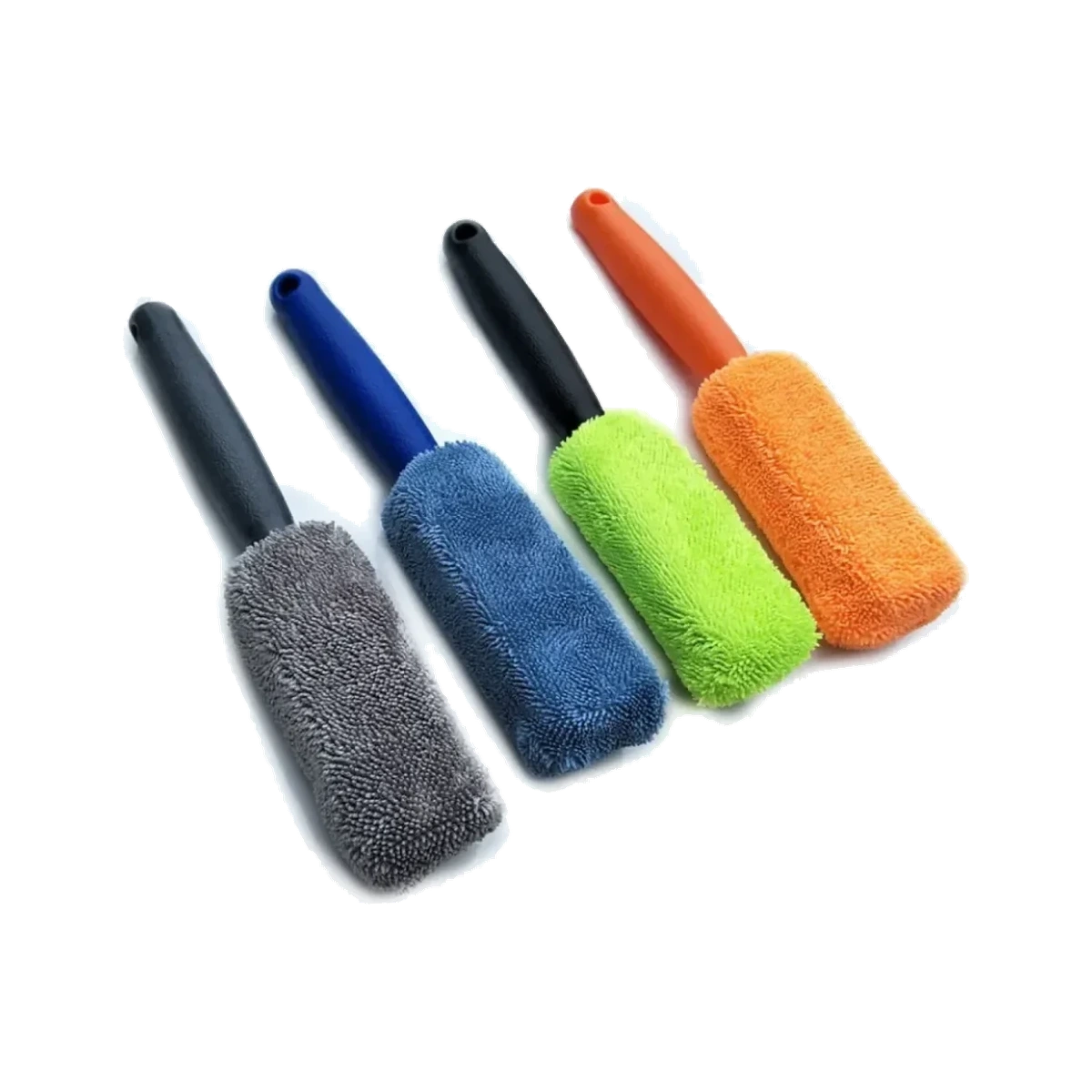 Detailing brushes
Confirm the exact item, brush and handle construction, intended surfaces, care instructions and supplied contents before ordering. A category listing does not establish these specifications.
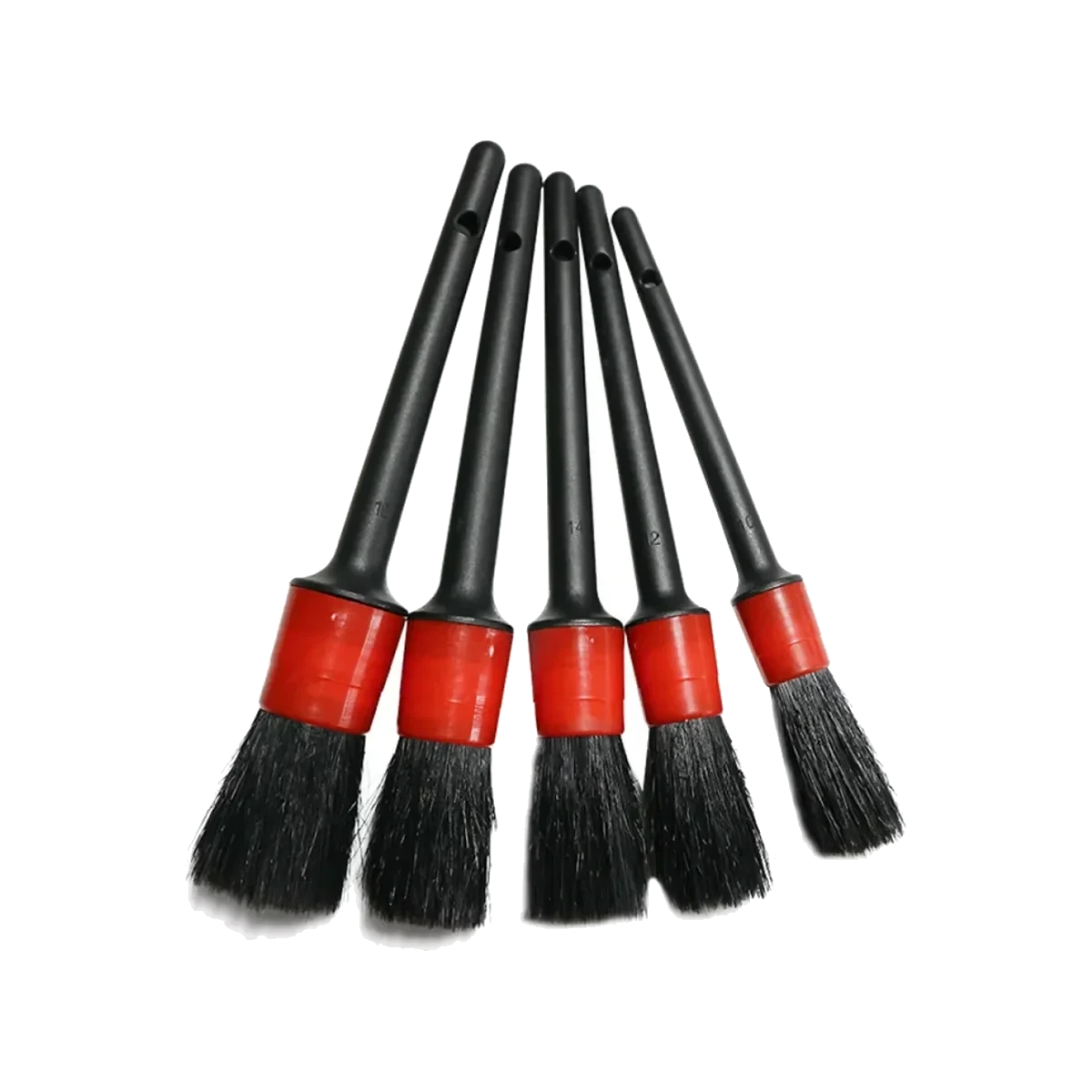 Detailing brushes
Confirm the exact item, brush and handle construction, intended surfaces, care instructions and supplied contents before ordering. A category listing does not establish these specifications.
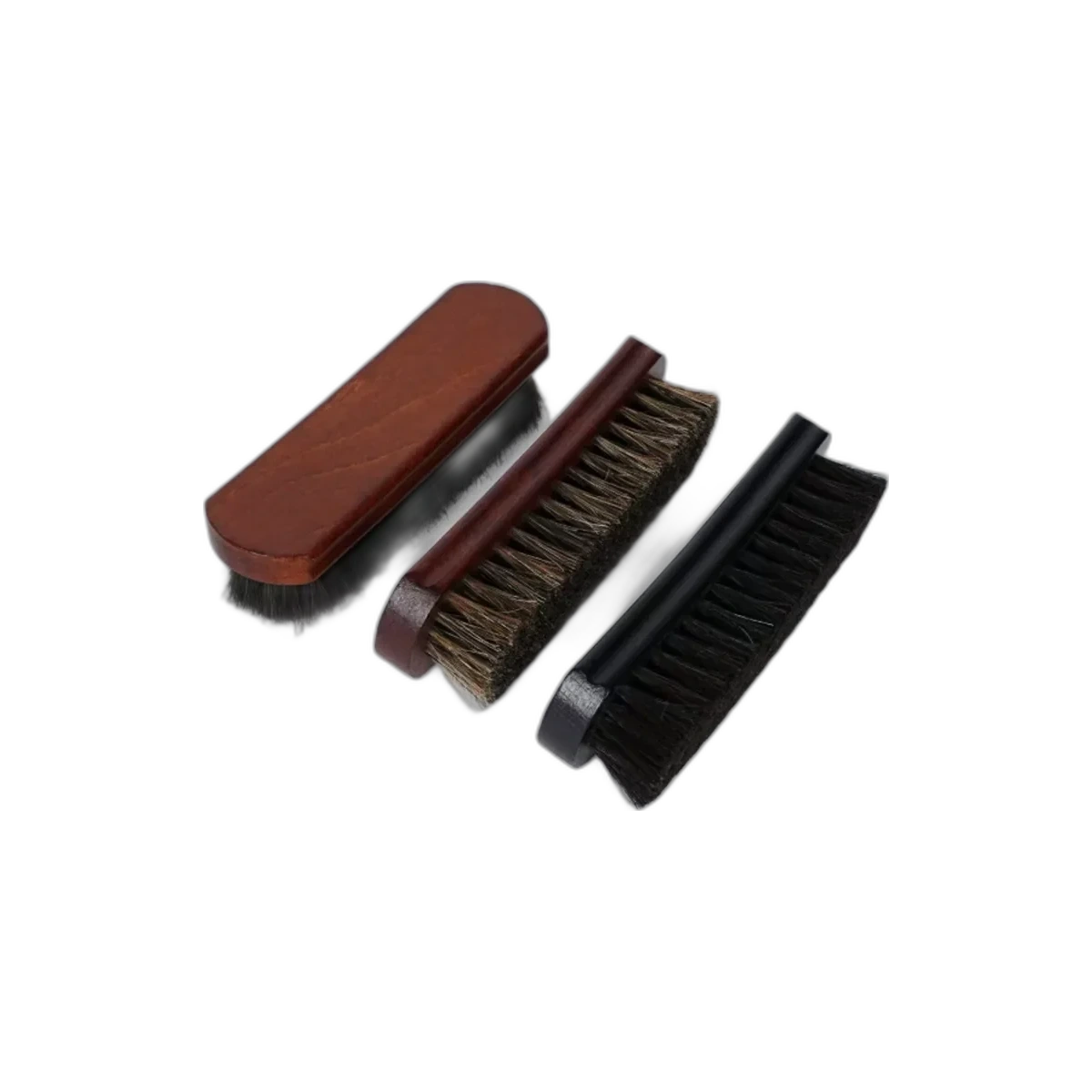 Detailing brushes
Confirm the exact item, brush and handle construction, intended surfaces, care instructions and supplied contents before ordering. A category listing does not establish these specifications.
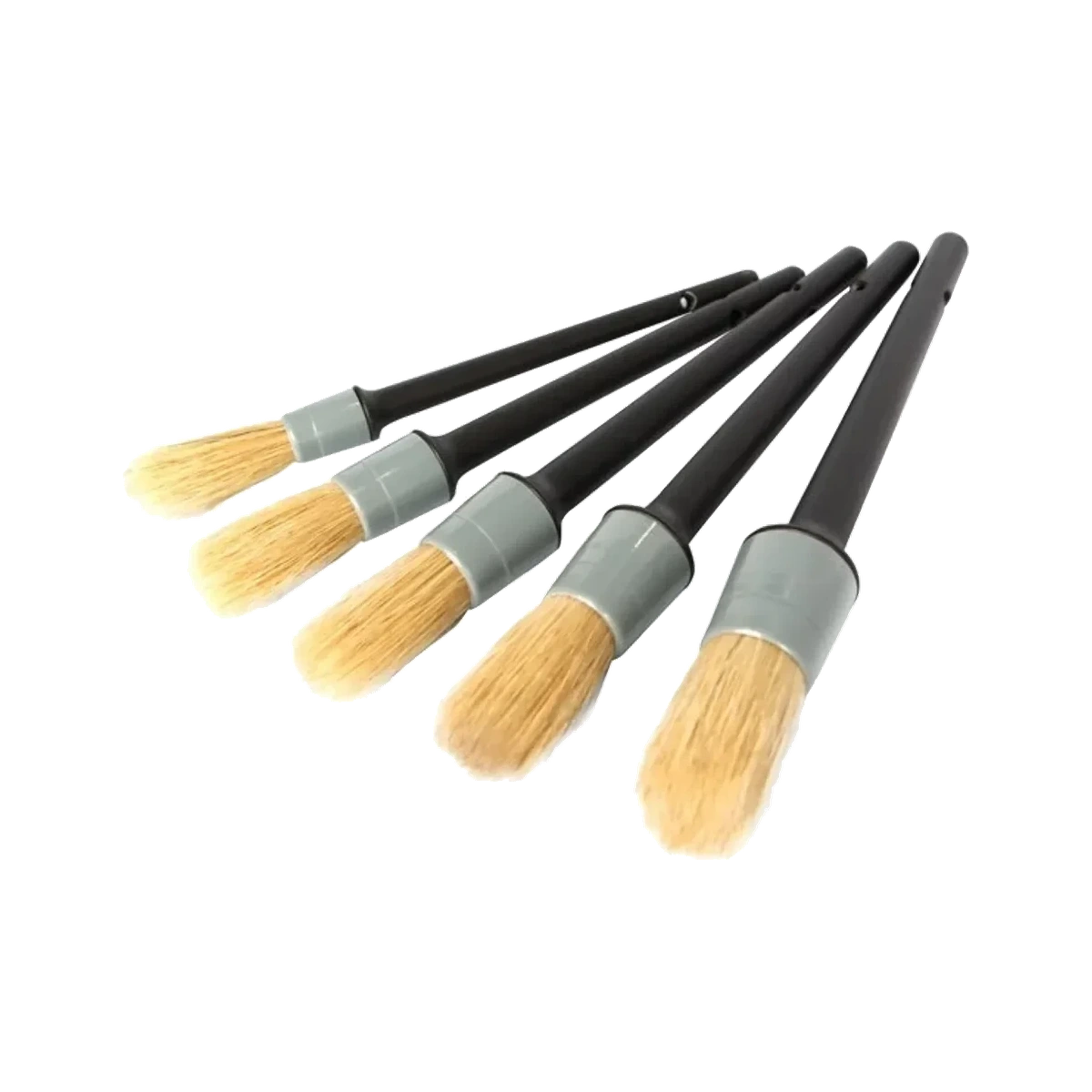 Detailing brushes
Confirm the exact item, brush and handle construction, intended surfaces, care instructions and supplied contents before ordering. A category listing does not establish these specifications.
Interior trim, coated leather, fabric, displays, painted panels, wheels and engine-bay parts can require different tools and methods. A general detailing-brush description does not approve one brush for all of them. Identify the actual material and finish, its condition and any surface-maker restrictions. Delicate, damaged, peeling or unknown finishes need their own assessment before contact cleaning.
Follow the surface, brush and cleaner instructions together. If the combination is approved, check a small inconspicuous area and inspect after cleaning and drying before continuing. A test spot reduces uncertainty; it does not guarantee that no marking or damage will occur. Do not use a brush on a surface whose instructions prohibit it.
| Part or feature | What to verify for the selected item |
|---|---|
| Bristles or fibres | Material, construction, tip treatment, firmness, shape and intended cleaning role. Appearance, colour and a soft feel do not establish the material or surface suitability. |
| Handle and protective covering | Handle material, grip, exposed edges and any ferrule, sleeve or protective covering. Confirm what is covered and which parts can contact the work area; do not assume every brush has a protective sleeve. |
| Head-to-handle connection | How the head and bristles are retained, whether any part is replaceable and which inspection and replacement instructions apply. Do not infer construction strength from a photograph. |
| Use and care limits | Approved surfaces and cleaning liquids, wet or dry use, restrictions on soaking or agitation, and cleaning, drying and storage instructions. Chemical resistance needs evidence for the exact product and conditions. |
This catalogue may include individual brushes, sets or other related articles. Category placement does not verify each item’s material, purpose, surface approval or packing list. Check the exact reference in the full product catalogue; do not transfer a claim from one brush to another.
Keep tools used on wheels, tyres, engine areas or heavily soiled parts separate from those used on paint and interiors. Within the interior, distinguish tasks where oils, dressings, abrasive dirt or cleaner residue could move to another material. Label or otherwise identify dedicated tools and keep clean brushes apart from used ones. Colour alone is not a universal usage code.
Remove loose contamination by the surface-approved method before brushing. Do not grind trapped debris into the finish or continue with a dirty or damaged brush. Use the instructed method and pressure rather than assuming more force will clean better. For wipe-up and residue removal, select microfiber cloths separately for the surface and task; they also need clean, serviceable condition.
Confirm the permitted cleaner and dilution, contact time and rinsing method where relevant. Do not assume compatibility with every acidic, alkaline, solvent-based or disinfecting product. A cleaner’s suitability for the surface does not automatically establish suitability for the brush, its bond or protective covering.
After use, clean by the approved method, remove retained contamination and dry as directed before storage. Avoid soaking, heat, forced drying or storage conditions that are not approved. Inspect for loose or damaged fibres, cracked handles, exposed hard edges, failing covers or a loose head. Stop using a compromised brush and follow the applicable replacement instructions.
A brush, cloth, applicator and machine pad perform different jobs. Compare other detailing accessories for the intended process and keep polishing pads for their documented hand or machine application. Do not treat a handheld brush as a powered-tool attachment without explicit product approval.
For a set, record each item, its intended area and the supplied quantity, along with any pouch, labels and care information. Product photography and the packing list should show the same offer. Do not infer that a pictured liquid or accessory is included.
Send the product URL, intended surfaces, contamination, proposed cleaner and method, destination, estimated quantity and whether you need individual items or a mixed set. Request the exact material and construction specification, approved use limits, care instructions and packing list. Review a sample on the intended approved surface and process, not appearance alone.
For an OEM or private-label project, provide logo, label and packaging requirements. Configuration, branding location, sample arrangements, MOQ, price, lead-time starting conditions and after-sales terms need written project-specific confirmation. Ask which information is approved and what remains under review.
Use downloads and document enquiries to request the current specification and instructions with their revision. Discuss available evidence and destination requirements through quality and documentation enquiries. Do not assume a hand brush requires the same CE, EMC, electrical or battery documents as a powered tool. Any applicable requirement must be checked for the exact item, configuration and market.
Request Brush Specifications and a Quote
No. Confirm the exact surface and finish, condition, brush construction and cleaning method. Use only a documented suitable combination and check a small inconspicuous area. A category name does not approve all-surface use.
No. Soft feel alone does not establish suitability. Trapped particles, damaged parts, the finish, cleaner and technique can affect the result. Inspect the brush and surface and follow the relevant instructions; do not promise scratch-free performance.
Request the exact fibre material and construction, tip treatment, firmness, handle material, head connection and any ferrule, sleeve or cover. Confirm exposed edges, approved surfaces and inspection limits. Do not infer these from photographs.
Keep brushes for wheels, tyres, engine areas and heavy contamination separate from those for paint and interiors. Assign tools by task to limit transfer of grit, oils and cleaning residues, and store clean tools separately from used ones.
No. Verify the exact cleaner, dilution, contact conditions and care instructions for the brush and surface. Do not assume acid, alkali, solvent or disinfectant resistance from appearance or a general description.
Follow the selected product’s cleaning, rinsing, drying and storage instructions. Remove retained contamination and inspect fibres, handle, covering and head connection. Do not use unapproved soaking, heat or forced drying, and stop using a damaged brush.
Not necessarily. Confirm each supplied item and quantity, pouch, labels and care information in the current packing list. A photographed liquid or accessory is not automatically included, and catalogue placement does not verify each item’s material or purpose.
Send the product URL, intended surfaces and task, cleaner and method, destination, estimated quantity, kit contents and logo or packaging brief. Request specifications, care instructions and a sample review. MOQ, costs, schedule, branding and support require written project-specific confirmation.
Last Updated: