OEM Car Polishers & Private Label Manufacturing
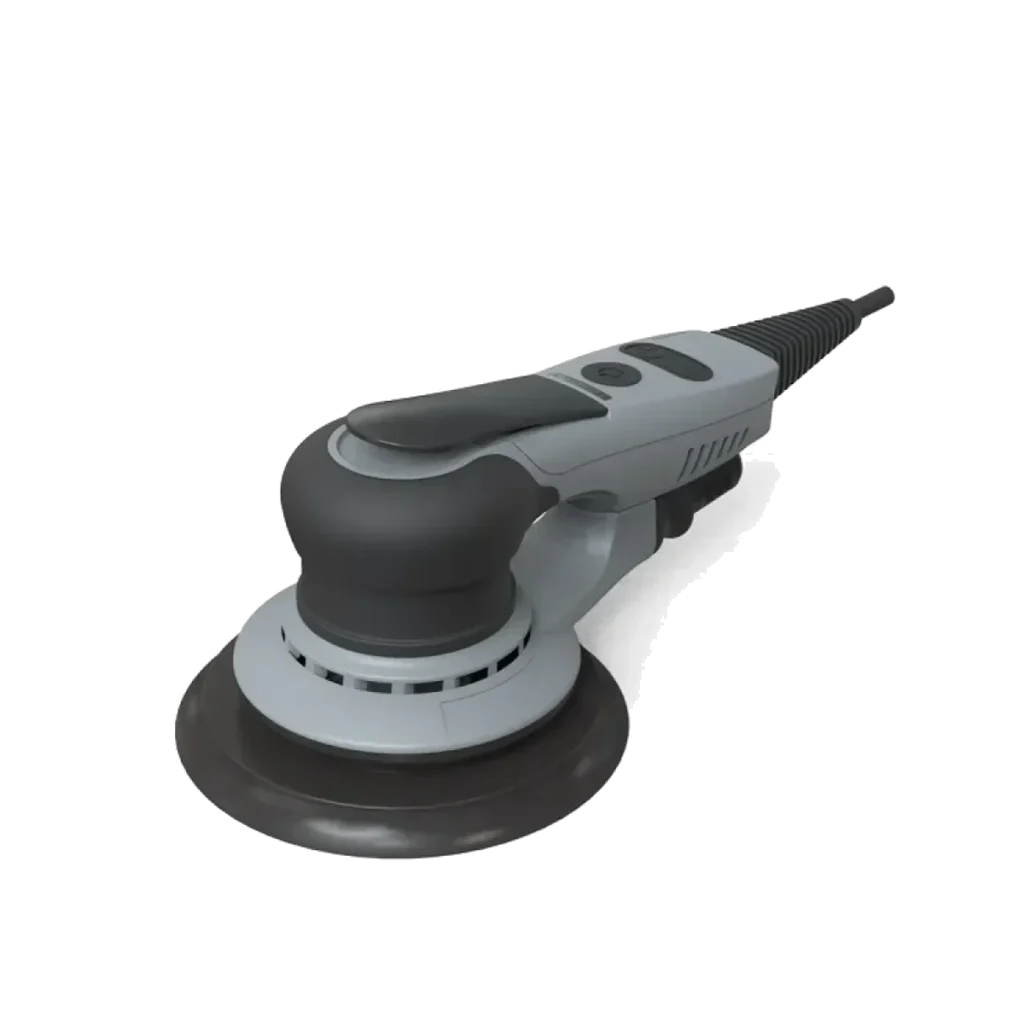
FineBuff manufactures car polishers in its own factory for brands, distributors and professional tool suppliers. Start with a machine from our range, define the complete kit and discuss the product logo and packaging requirements for your market.
Our OEM car polisher enquiries cover model selection, customer logos, sample arrangements and written order specifications. Requests for housing colours, components or other development work are reviewed separately for the selected model.
Whether you are launching a first branded tool or adding a polisher to an established range, a useful project starts with a clear customer offer: who will use the machine, which tasks it should cover and what the buyer will receive in the box. That brief helps turn a broad sourcing enquiry into a configuration that can be sampled and quoted.
Start Your OEM Enquiry · Explore Polisher Ranges
Choose a Polisher Range for Your Customers
Select a starting range around the work your customers perform and the products you plan to sell:
| Range | What to discuss for your project |
|---|---|
| Dual-action polishers | Drive mechanism, orbit, approved backing plate and the intended customer workflow |
| Rotary polishers | Speed range, mounting details, accessories and operator requirements |
| Cordless polishers | Drive type, approved battery and charger, supplied kit and replacement support |
| Nano polishers | Working area, available drive modes, adapters and approved small-pad systems |
Cordless describes the power source; it does not identify the drive mechanism. Include both when specifying a cordless model.
For a distributor serving fixed workshops, the initial brief might prioritise a core machine, a compatible pad selection and clear replacement-part information. A range for mobile detailers may place more emphasis on the supplied battery kit, charger input and working weight. A retail offer also needs consistent photography, instructions and box contents so customers can understand exactly what they are buying.
These are range-planning questions, rather than assumptions about any one model. Describe the intended use first, then compare the available configurations against it.
If you are still deciding on a range, our DA versus rotary guide and orbit-size comparison can help organise your shortlist.
Set the Scope of Your OEM or Private-Label Project
Buyers use OEM, ODM and private label in different ways. The practical question is which parts of the product and presentation will change.
A project based on an existing machine with customer branding is different from a request involving a revised housing, electronics or drive system. List those requests separately so that sample preparation, development work and commercial conditions can be discussed on the same basis.
| Project area | Information to include in the brief |
|---|---|
| Base machine | Product URL or model reference, intended use and destination market |
| Customer branding | Artwork file, requested position and marking requirements |
| Packaging and instructions | Box format, artwork, manual language and required labels |
| Customer-ready kit | Each proposed pad, plate, handle, battery, charger, case or other item |
| Product development | The specific component or design change and its intended purpose |
FineBuff reviews the proposed scope for the selected product. A clear brief gives both parties a record of what is included, what remains under review and what needs separate approval.
Define Your Logo and Packaging Requirements
Customer logos can be applied to FineBuff products, with additional costs confirmed for each project. Send the selected model and your artwork so we can discuss the marking position and available method.
For a private-label car polisher enquiry, identify the requested changes separately:
- Product logo and marking position.
- Labels, manual language and retail-box artwork.
- Supplied accessories, case and kit presentation.
- Housing colour, component changes or other development requests.
The available scope, approval process and quotation depend on the model and changes requested. An approved logo layout does not by itself approve a new component or machine configuration.
Provide vector artwork where available, along with dimensions and colour references. Identify whether a colour request concerns the product housing, a printed label or the retail packaging. A photograph of another brand’s finished tool can illustrate a preference, but it does not replace your own artwork or an agreed production specification.
Separate retail-box requirements from shipping-carton requirements. The retail box presents the product to the customer; the outer carton defines how the packed kits are grouped and handled. Confirm the printed information, kit count and packing details for each before order approval.
Build the Machine and Pad Set Together
Choose the polishing machine and its approved accessory system as one sellable kit. Our range includes polishing pads and backing plates for accessory enquiries alongside the machine.
Specify cutting, polishing and finishing pad requirements, then confirm their dimensions and compatibility with the selected tool. Record the exact kit contents in the quotation and packing list so that your sample, product photography and production order describe the same offer.
Distinguish a bare machine from a ready-to-sell kit when comparing prices. For a cordless offer, record whether batteries and a charger are included, and identify the approved combinations. For a corded offer, include the electrical configuration and supplied accessories. Similar product photographs can otherwise conceal meaningful differences in the quotation.
Pad diameter, backing-plate diameter and orbit are separate specifications. Record each relevant dimension and mounting detail; a shared nominal size alone does not establish compatibility. A concise kit specification makes repeat purchasing and customer support easier to organise.
From Enquiry to an Approved Order
- Send the project brief. Include the model or product URL, destination country, estimated quantity and requested branding.
- Review the proposed configuration. Identify the machine, electrical configuration, accessories and packaging to be quoted.
- Agree the sample arrangement. Review the sample and freight terms, then evaluate the proposed kit for your intended application.
- Approve the order specification. Confirm artwork, packing list, applicable documents and commercial terms in writing.
Our usual machine MOQ is 300 pieces; smaller batches may also be available. Ask for the quantity and pricing applicable to your selected configuration.
Samples for confirming batch orders can be supplied with freight collect. The usual payment arrangement is 30% in advance and 70% after receipt of the bill of lading. The written terms agreed for your order apply.
Review the Sample Against a Written Brief
Use a sample review to answer the questions that matter to your customer offer. Check handling, control access, the approved accessory fit, kit contents and the information supplied with the tool. For cordless products, assess the intended battery configuration rather than judging a bare machine alone.
When evaluating polishing results, record the surface, pad, compound, settings and operating conditions. A useful comparison explains what was tested; a short demonstration on a different accessory system may not represent the configuration you plan to sell.
Keep a dated record of accepted features and requested corrections. Identify any difference between the sample and the proposed production specification, including packaging or artwork still under development. Resolve those differences before treating the sample as the reference for an order.
Understand What Your Quotation Includes
Compare quotations for the same configuration and delivery scope. The base machine, included accessories, battery kit, requested branding, packaging and order quantity can all change what a price covers.
Your commercial review should identify:
- The selected model and complete packing list.
- The quantity and price basis for that configuration.
- Branding, packaging or development items included in the offer.
- Sample charges and freight arrangements where applicable.
- Delivery terms, named place, payment terms and quotation validity.
- The milestones used to establish the agreed production schedule.
A lead-time statement needs a defined starting point, such as an agreed approval milestone. Ask for the sequence applicable to your project so that artwork preparation, sample review and production are planned together. FineBuff confirms the applicable conditions in the written quotation and order agreement.
Prepare the Information for Your Market
Tell us where the products will be sold so that the quotation can identify the relevant voltage, frequency, plug, labels and manual language. For cordless kits, include the approved battery and charger combination in the document review.
Request the current specification, packing list, instructions and available model-specific documents through our quality and documentation enquiry page. Review them against the actual configuration and destination requirements before approving the order.
For a detailed purchasing worksheet, use our Private Label Car Polishers: A Buyer’s Checklist.
Plan Repeat Orders and Customer Support
Retain the approved specification, artwork revision and packing list as a single order reference. For a repeat purchase, identify any proposed change to the machine, accessories, labels or packaging before approving the new order.
Discuss replacement-part availability and the applicable warranty or claim arrangements for the selected model. For cordless ranges, include battery and charger support in that conversation. These details help a brand or distributor plan the product beyond its initial launch, with responsibilities recorded in the agreed commercial terms.
OEM Car Polisher Questions
Does FineBuff manufacture its products?
Yes. FineBuff products are manufactured in our own factory. Our About page explains our manufacturing role and product focus.
Can I put my logo on a car polisher?
Customer logos can be applied to products. Send the model and artwork to discuss the available marking method, position and additional cost.
What is the minimum order quantity?
The usual machine MOQ is 300 pieces, and smaller batches may also be available. Confirm the terms for the model, branding and packaging you need.
Can I review a sample before a batch order?
Samples for confirming batch orders can be supplied with freight collect. Agree the sample configuration and applicable terms with the team.
Can I request a different colour or a custom kit?
Yes, you can submit those requirements for review. Housing colours, components, packaging and kit changes need a project-specific assessment and quotation before they become part of the order specification.
What should I send to get a useful quotation?
Send the model or product link, destination country, estimated quantity, requested logo or packaging changes and the items you want supplied in the kit.
Does one MOQ apply to every branding request?
Do not assume that the same conditions cover an existing configuration, different packaging and a component-development request. The usual machine MOQ is a starting point for discussion; ask for the terms attached to your specific project.
Can a battery or backing plate be chosen only by its stated size?
No. Battery compatibility involves the approved tool and charger system, while a backing plate also needs the correct mounting and machine approval. Include the exact components in the proposed kit specification.
Start Your OEM Car Polisher Enquiry
Tell us what you want to sell and where it will be used. Include your selected model, destination market, estimated quantity and branding brief so we can discuss the configuration and quotation.